
Turkish Ramadan Pide Bread
Turkish Ramadan pide, or Ramazan pidesi, is a soft and fluffy flatbread with a golden crust and sesame and nigella seed topping. This homemade version uses a simple dough, traditional glaze, and steam for that classic bakery-style texture.

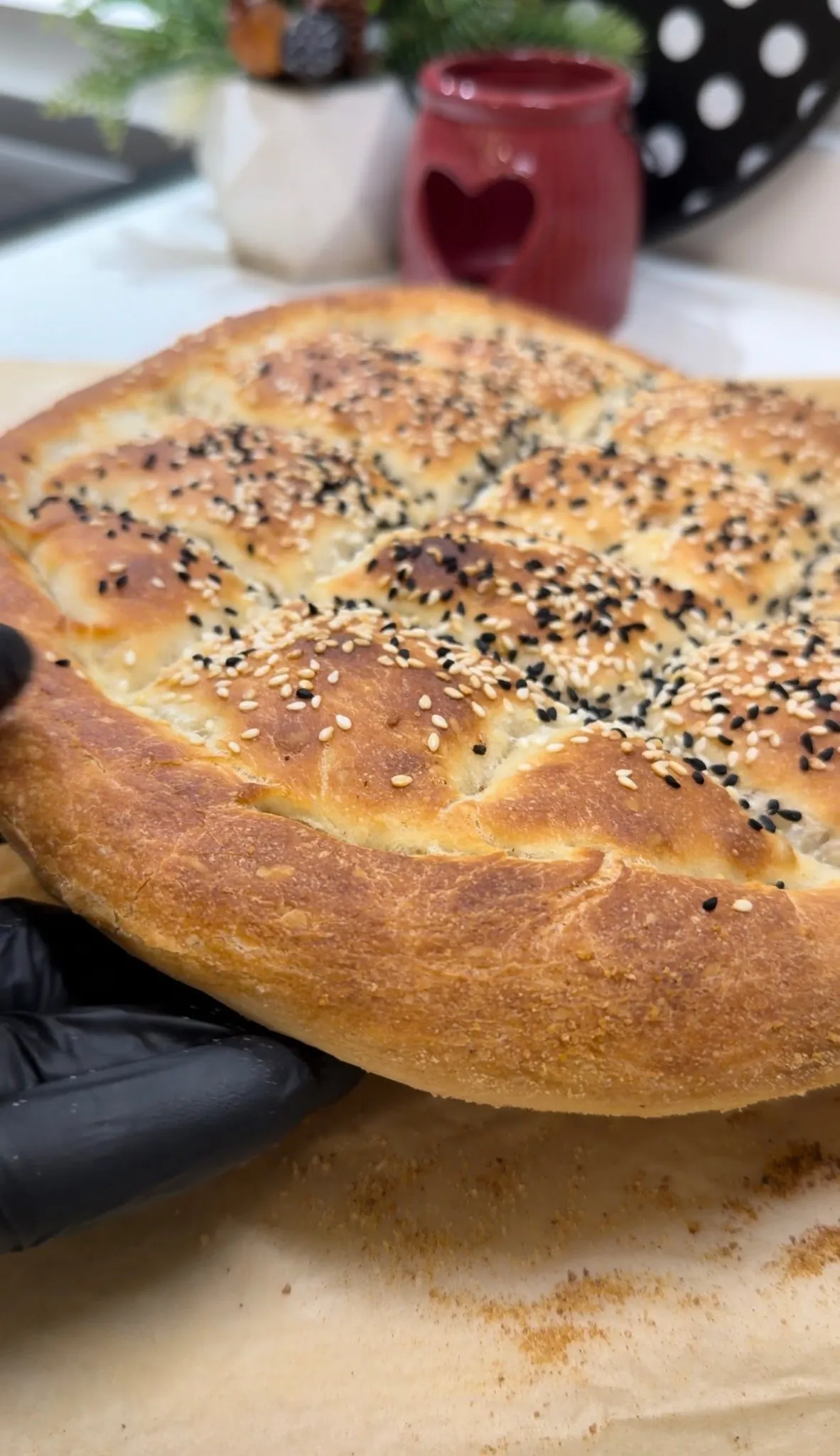
Ramazan pidesi is one of the breads I immediately associate with Ramadan in Turkey. When it comes out of the oven, the combination of the warm bread, toasted sesame and nigella seeds, and that soft center is unmistakable. For this homemade version, I wanted the inside to stay light and fluffy while still getting that beautifully golden crust on the outside. The dough is quite soft, which is exactly what helps create that airy texture. There are two details I don't skip: the glaze on top and steam at the beginning of baking. The glaze helps give the pide its characteristic surface, while the steam keeps the bread soft as it starts to bake. Removing the water after the first few minutes then allows the crust to develop. It's especially good served warm for iftar, but I make it whenever I want a soft Turkish-style bread for the table.
Watch the Recipe
The video will only load after you press play.
How to Make Turkish Ramadan Pide Bread
Activate the Yeast
Combine the yeast, sugar, and warm water and let the mixture stand for 10–15 minutes.
Make the Dough
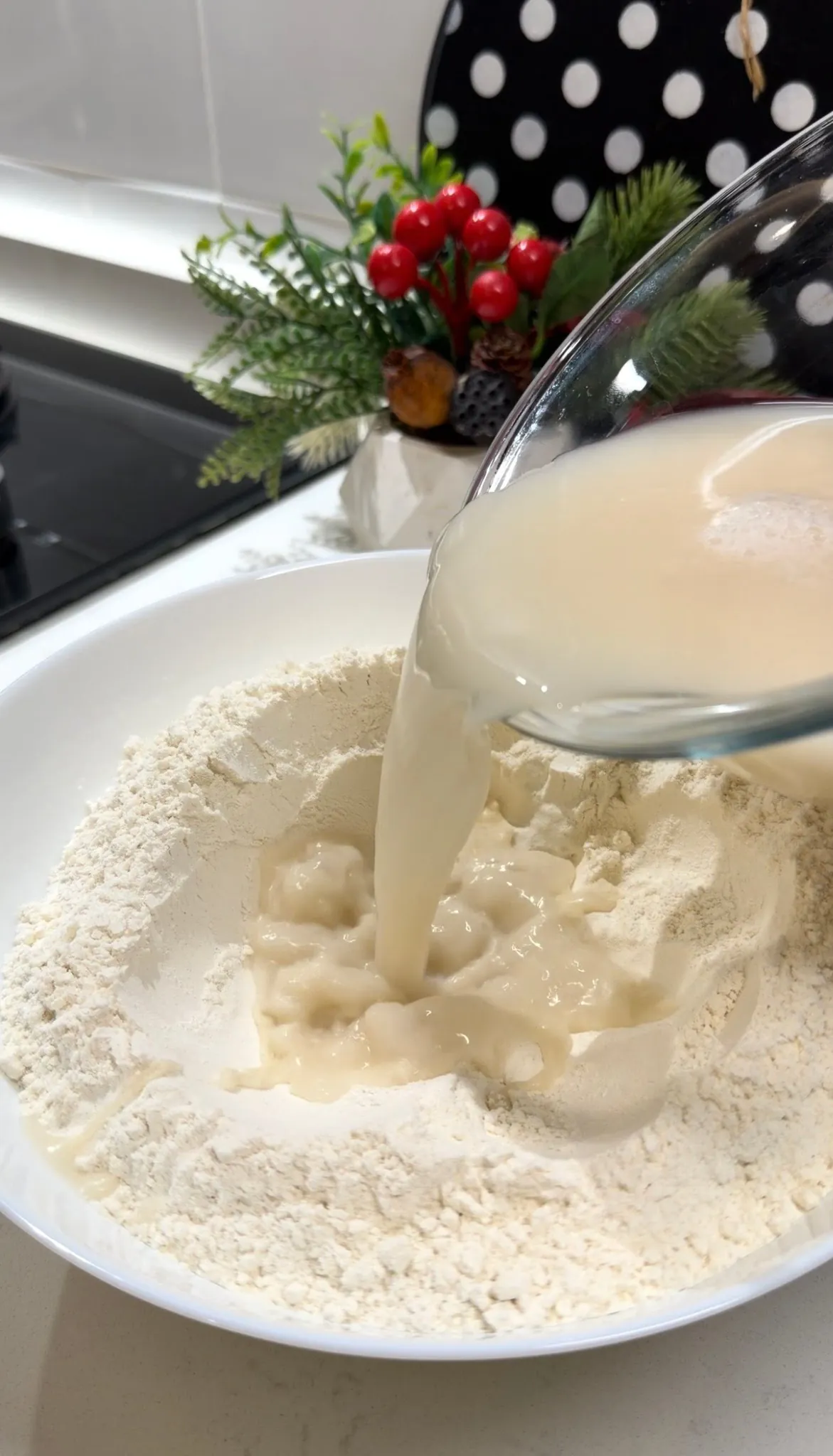
Add the yeast mixture to the flour and mix and knead until a soft dough forms. Cover and let it rest for 20 minutes.
Add the Salt and Let It Rise
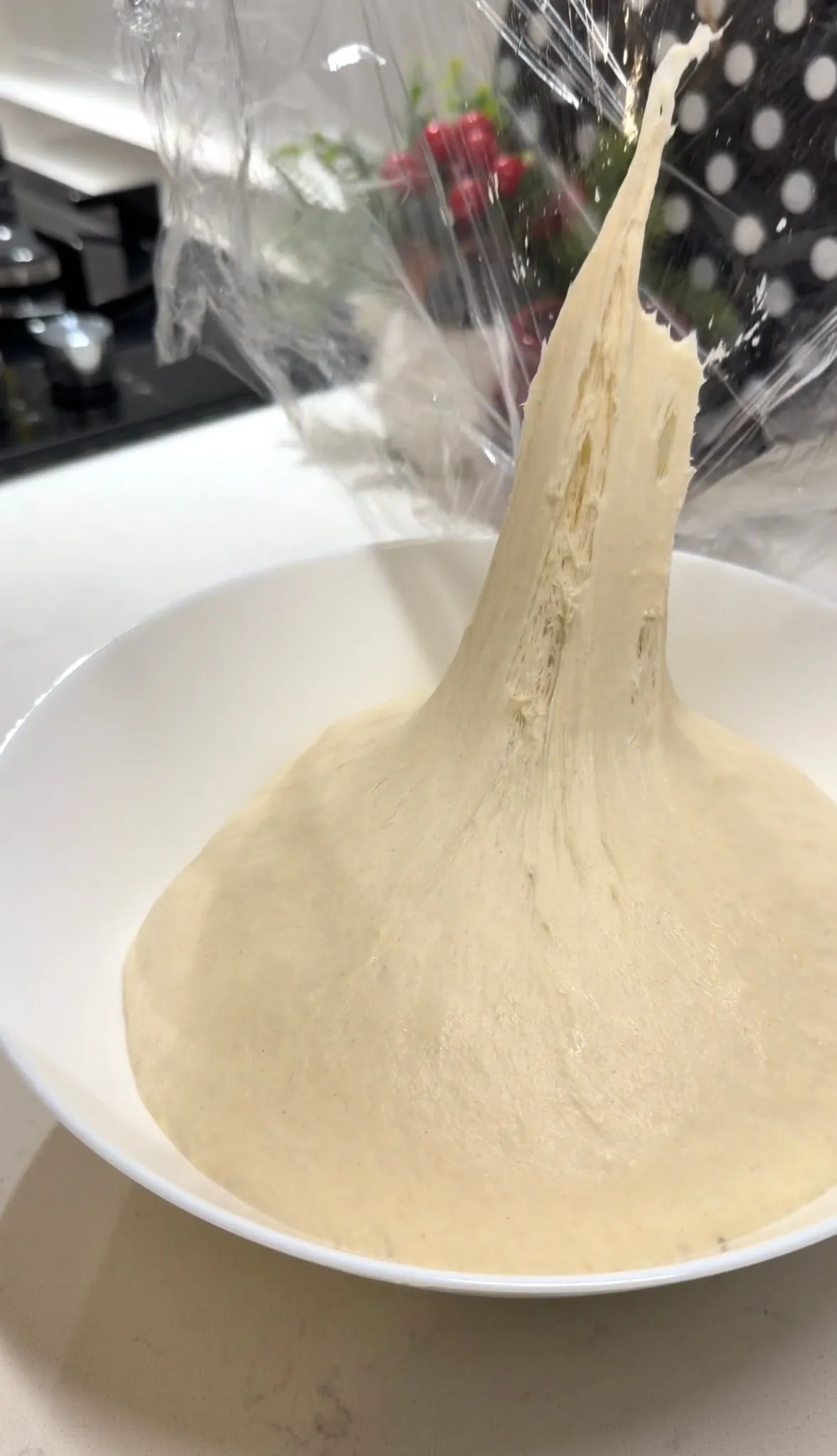
Add the Salt and Let It Rise
Shape the Pide
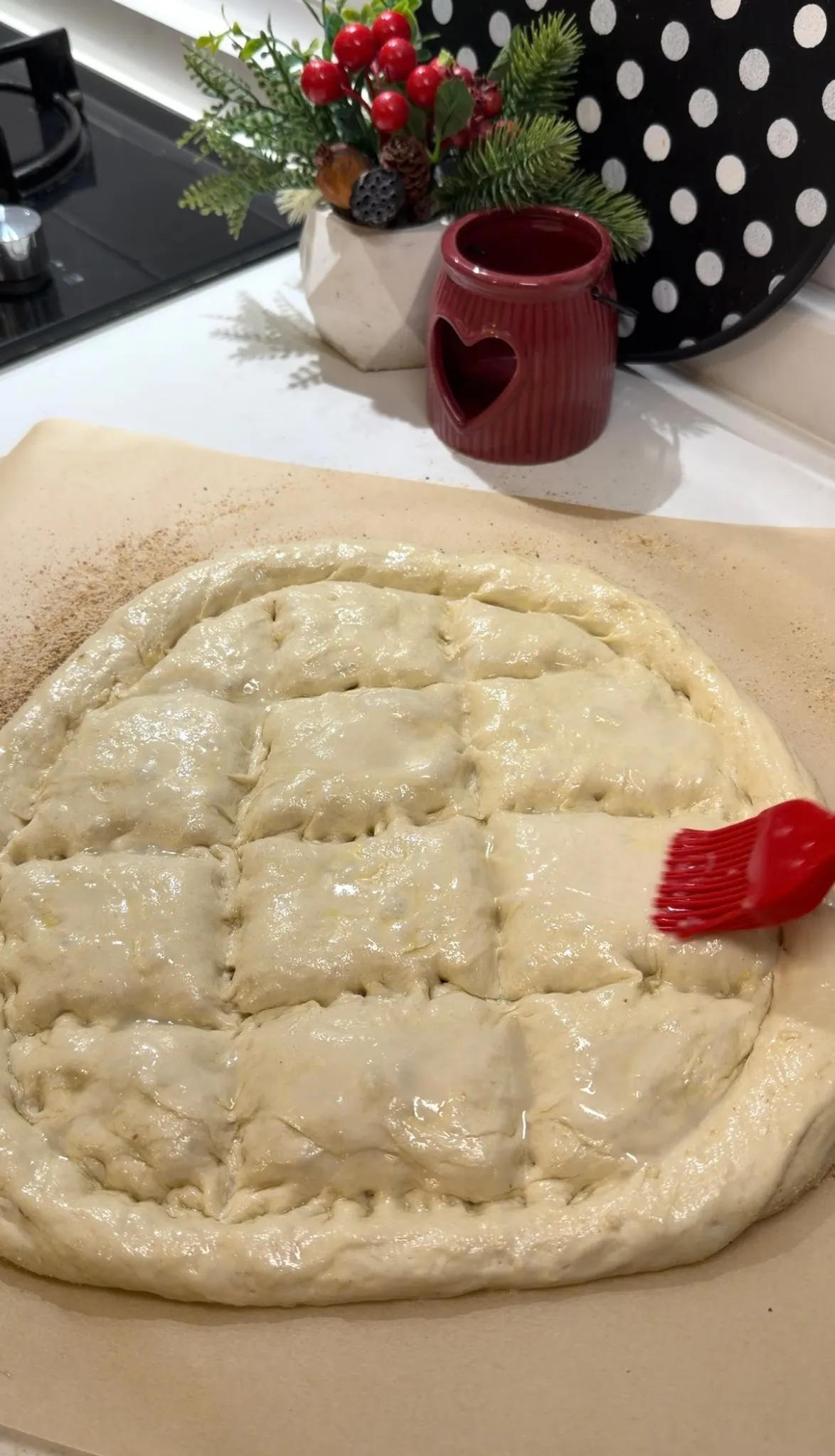
Transfer the risen dough onto baking paper and gently stretch it into a large round pide using a little olive oil. Press the traditional pide pattern into the surface.
Prepare the Glaze
Mix the flour with the boiling water, then add the cold water to make the glaze. Spread it gently over the shaped dough.
Add the Seeds
Sprinkle the surface generously with sesame seeds and nigella seeds.
Prepare the Oven
Preheat the oven to 250°C (482°F). Sprinkle breadcrumbs over the baking paper and transfer the pide onto a hot baking tray. Place a heatproof dish of boiling water in the oven to create steam.
Bake
Bake with the steam for the first 5 minutes, then carefully remove the dish of water. Continue baking until the pide is deeply golden, about 10–15 minutes in total.
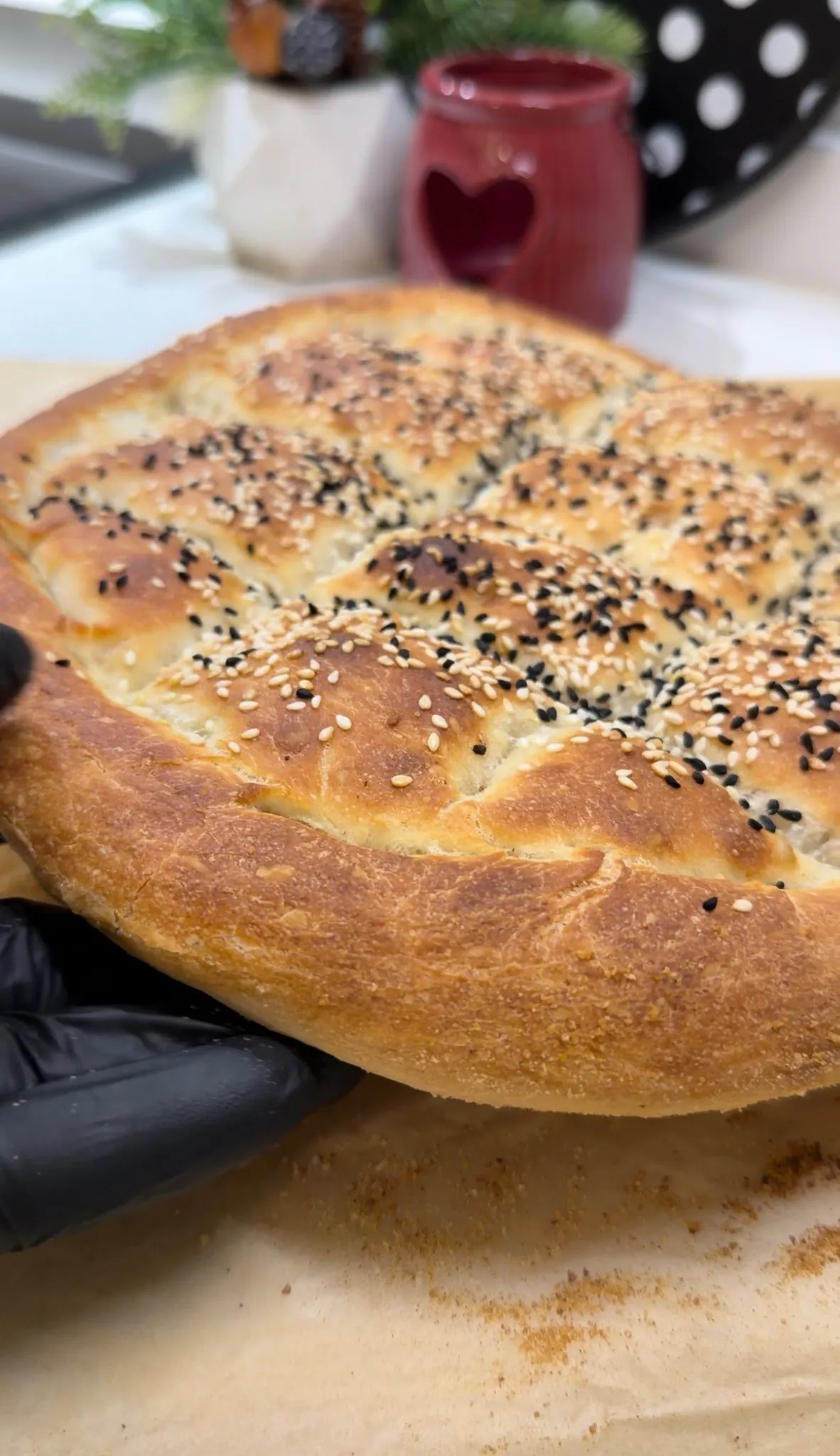
Serve
Remove the pide from the oven and let it cool slightly before tearing or slicing. Serve while still fresh and warm.
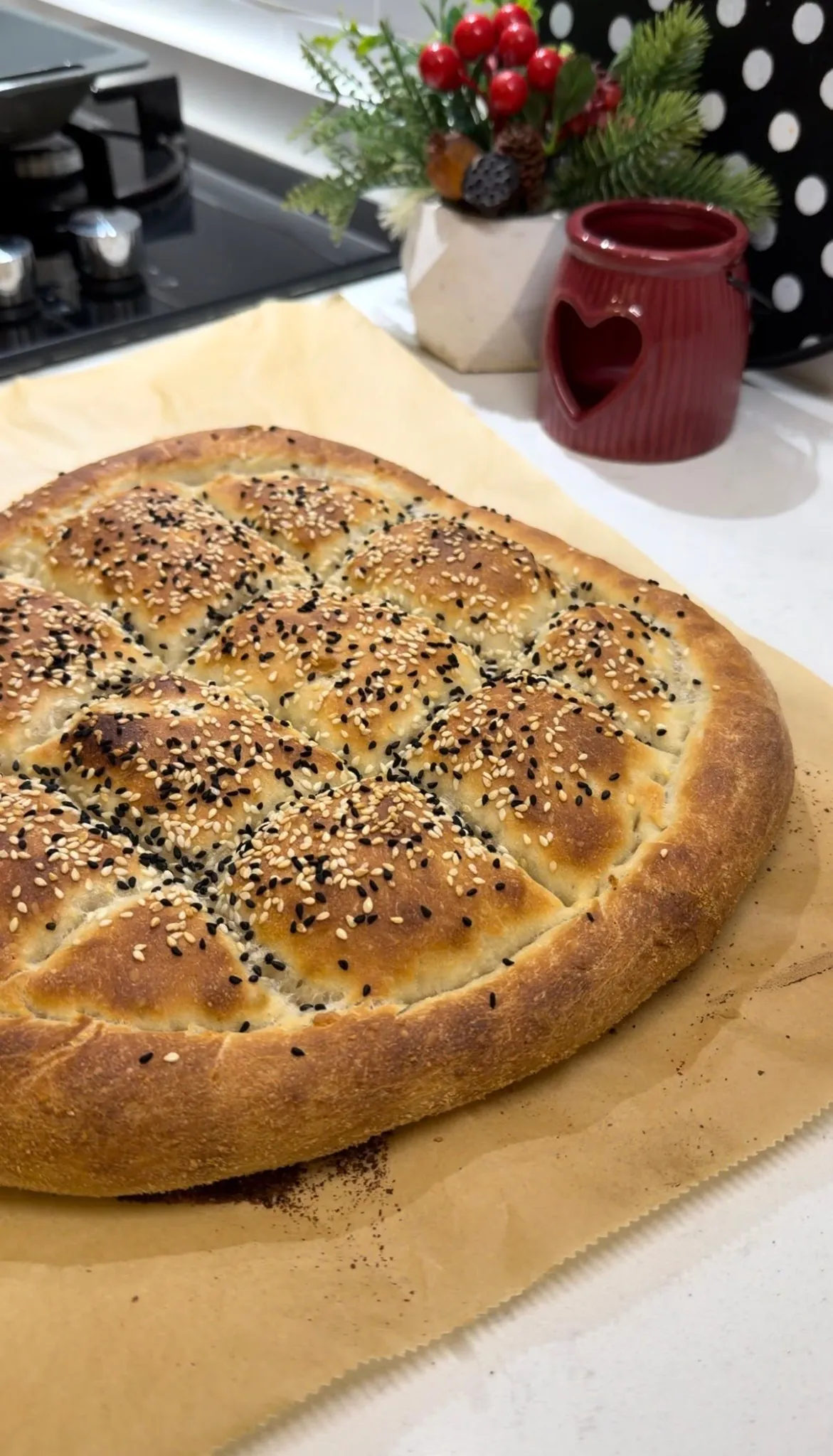
Why You'll Love This Recipe
- Soft and airy on the inside
- Golden and lightly crisp on the outside
- Traditional sesame and nigella seed topping
- Made with simple pantry ingredients
- Perfect for Ramadan and iftar
- No special bread equipment required
What Makes Ramazan Pidesi Different?
Ramazan pidesi is a traditional Turkish bread especially associated with the month of Ramadan. Unlike a standard loaf, it is shaped into a wide, relatively flat round and marked with its distinctive pattern before baking. A glaze is spread over the surface and the bread is traditionally finished with sesame and nigella seeds, giving it its recognizable appearance, aroma, and crust.
Tips for the Best Ramadan Pide
- Keep the dough soft rather than adding unnecessary extra flour.
- Use olive oil on your hands when stretching and shaping sticky dough.
- Don't skip the glaze; it helps create the characteristic pide surface.
- Make sure the oven and baking tray are fully preheated before the dough goes in.
- Use steam during the beginning of baking to help keep the interior soft.
- Remove the water after the first 5 minutes so the crust can become golden and crisp.
Variations
- Make smaller individual pides instead of one large bread.
- Use more sesame seeds or nigella seeds depending on your preference.
- Add a small amount of olive oil to the dough for a slightly softer result.
- Add fresh or dried herbs for a nontraditional variation.
Storage & Reheating
Ramadan pide is at its best on the day it is baked. Once completely cool, keep leftover bread well wrapped or in an airtight container. Reheat it briefly in the oven before serving to refresh the crust and soften the center.
Turkish Ramadan Pide Bread
Turkish Ramadan pide, or Ramazan pidesi, is a soft and fluffy flatbread with a golden crust and sesame and nigella seed topping. This homemade version uses a simple dough, traditional glaze, and steam for that classic bakery-style texture.